How Takeout and QSR Restaurants Reduce Commission Fees Without Losing Volume
FF
Foodhub for Business
Feb 05, 2026
Loading content...
A QSR restaurant, or quick-service restaurant, is a dining establishment designed to provide high-speed service and consistent food quality with minimal table service. These businesses focus on efficiency and high transaction volume to maintain a healthy bottom line.
Recent data from the National Restaurant Association shows that off-premises orders now represent the majority of revenue for the quick service sector. While this demand is high, many owners struggle with the high cost of third-party delivery apps. These platforms often charge a commission fee that ranges from 15% to 30%, which can quickly erase any profit margin.
You deserve to keep more of the money you earn from every burger, taco, or bowl you sell. By implementing a smarter technology strategy, you can transition your customers to lower-cost channels while keeping your kitchen busy. Let’s dive into how takeout and QSR restaurants can reduce commission fees without losing order volume.
The business model of a QSR restaurant is uniquely vulnerable to the pricing structures of delivery platforms. While a fine-dining establishment might have higher ticket prices to absorb costs, fast food outlets operate on volume.
In the quick service world, profitability is often a game of thin margins and high turnover. Every percentage point paid to a delivery app cuts directly into the money used to pay for ingredient usage and staff.
When a restaurant processes hundreds of orders daily, a 30% fee aggregates into a massive monthly expense. This makes it incredibly difficult for a restaurant owner to cover basic operating costs like rent and utilities.
Modern consumers have come to expect takeout and delivery as a standard feature of any fast food restaurant. Because these businesses often see 70% or more of their sales coming from online ordering, the total impact of commission fees is massive.
If most of your sales are subject to a heavy fee, your overall margin shrinks faster than you can keep up with. This reliance on third-party delivery platforms creates a cycle where you are working harder but taking home less.
The primary value of a quick-service restaurant is the ability to get food to the customer fast. Delivery apps provide a very convenient interface for customers to find and order food with one click.
This convenience often outweighs brand loyalty, meaning customers might choose a competitor simply because they are listed higher on an app. Consequently, restaurant operators feel they must pay high fees just to stay visible.
Many owners try to offset restaurant commission fees by increasing their prices on delivery apps. However, QSR restaurant customers are generally very price-sensitive and notice even small hikes.
Significant price increases can lead to lower customer satisfaction and a noticeable drop in delivery orders. If your fast food items become too expensive, guests will switch to a different independent restaurant that offers better value.
While the goal is to reduce commission fees, making a sudden change can be dangerous for your cash flow. You must balance cost savings with the need to maintain your online ordering traffic.
Third-party delivery apps act as a powerful discovery engine for local diners. If a QSR restaurant removes itself from these platforms entirely, it loses access to a huge pool of potential new customers.
This loss of digital foot traffic can lead to a sharp decline in total revenue. It is usually more effective to use these platforms for brand discovery rather than as a permanent way to handle every order.
Many diners have established habits within a specific food delivery app. If your brand is no longer visible where they usually shop, they may not take the time to find your branded website.
They are more likely to simply order from another fast food restaurant that is still on the app. This makes it vital to have a transition plan that educates your customers before you make any big changes.
Managing multiple online ordering systems without the right tools can create total chaos in your kitchen. If your restaurant management software is not integrated, your staff must juggle several different tablets at once.
This leads to frequent errors, increased food waste, and slower service times for everyone. Fragmented channels also make it much harder to track your inventory and labor costs accurately.
Restaurants that leave delivery apps without a loyalty program or a direct ordering system often see an immediate decline in repeat orders. Research shows that a majority of customers prefer ordering directly from a restaurant’s website or app when given the option, especially when incentives or loyalty rewards are involved. Without a way to capture customer data, you lose the ability to remarket, build loyalty, or invite those guests back on your own terms.
A successful strategy involves a gradual shift that trains customers to use your preferred channels. The goal is to offer a better experience—not just a different one—by pairing convenience with incentives that make ordering direct the obvious choice.
To reduce commission fees effectively, you must provide a direct ordering experience that is as easy as the third-party apps. This requires a combination of smart marketing and the right technology.
The most expensive customer for any QSR restaurant is a new one. Once you have served a guest via a third-party app, your goal should be to move their future orders to your own online ordering system.
Every takeout bag should serve as a marketing tool for your direct business. Use QR codes that link directly to your mobile app or your online ordering menu.
You can offer a small incentive for their first direct order, such as a free side or a discount on combo meals. This turns a high-commission delivery into a high-profit direct relationship.
Physical flyers or inserts inside the delivery bag are an excellent way to speak to your customers. Explain that ordering directly helps your independent restaurant keep its prices low.
Most customers are completely unaware of the high restaurant commission fees that owners have to pay. Simple transparency can build a sense of community and encourage guests to support you directly.
Use a loyalty program to reward people who choose to order through your proprietary channels. Offer points for every dollar spent that can be traded for free food later.
When a customer knows they are earning rewards, they are much less likely to use a generic food delivery app. This increases the lifetime value of the guest while significantly lowering your acquisition cost.
Instead of a blanket price increase across your whole menu, use strategic pricing to protect your profitability. This allows you to manage your food costs while remaining competitive in the marketplace.
Create combo meals that are only available through your own website or mobile app. These bundles should be designed for high profit margin and ease of preparation for your kitchen staff.
By offering exclusive value on your own platform, you give customers a strong reason to bypass the apps. This also helps in waste reduction by steering customers toward your most efficient menu items.
Use modifiers and add-ons to increase the average order value on high-commission channels. While the base price of a burger remains stable, you can charge for premium sauces or a larger portion size.
This ensures that even if you pay a commission fee, the total ticket is high enough to cover your expenses. It is a subtle but effective way to manage restaurant food costs without alienating your guests.
Configure your online ordering system to suggest high-margin items at the final checkout screen. Drinks, desserts, and sides have a much lower food cost percentage than your main protein dishes.
Increasing the ticket size by even a few dollars can significantly offset the impact of delivery fees. This is a core tactic used by every successful QSR restaurant to boost the bottom line.
The most profitable way to use delivery apps is as a marketing tool rather than a logistics partner. Once a new guest discovers you, the relationship should move into your own ecosystem.
It is often worth paying a 30% fee to get a brand-new customer through your door for the first time. You should view this fee as a marketing cost rather than a permanent operational expense for that person.
The problem begins when you pay that same 30% for the tenth or twentieth order from the same customer. You must have a system in place to identify these repeat users and invite them to order directly.
There are times when paying a commission fee is actually a smart business move. For example, during extreme peak hours, the third-party driver fleet handles the labor costs and logistics of delivery.
The key is to use these platforms strategically rather than relying on them for every single transaction you make. This keeps your operating costs flexible and protects your margin during slow periods.
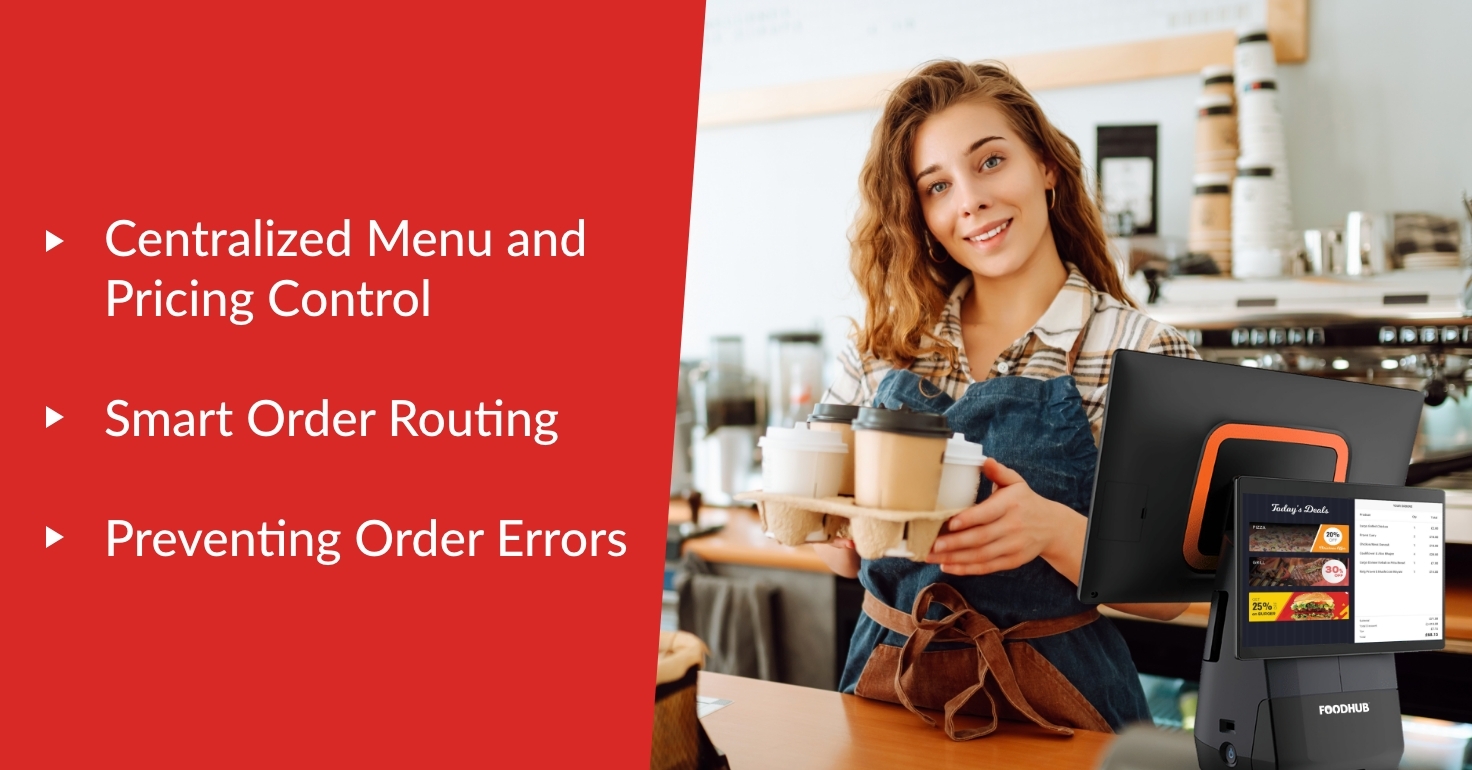
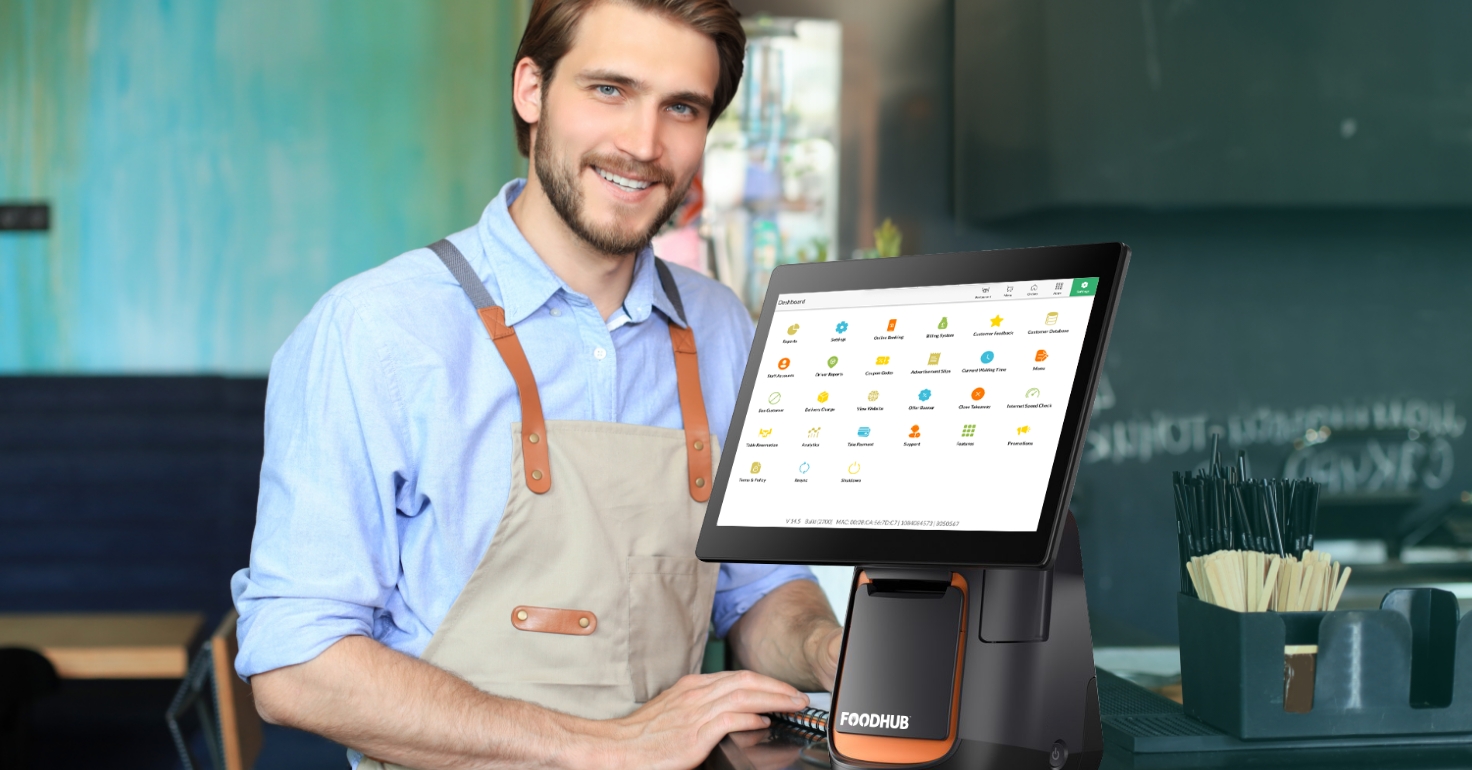
A modern QSR restaurant requires a robust restaurant management system to stay organized. Your Point of Sale (POS) should be the central brain of your entire business operation.
Managing different menus across multiple delivery platforms is a recipe for operational failure. A centralized POS allows you to update your prices and your menu items in one single place.
This ensures that your inventory management is always accurate across every sales channel you use. It also prevents the frustration of out-of-stock orders which lead to refunds and platform penalties.
The right tech stack can route orders based on how they are being fulfilled. Direct orders can be prioritized to ensure your most loyal customers always get the fastest service possible.
This improves your operational efficiency and ensures that your kitchen staff is not overwhelmed by a sudden surge. Clear communication between the front of the house and the kitchen is vital for a fast food restaurant.
Order errors lead to wasted food and lost revenue for your business. When orders flow directly into your POS system, the risk of manual entry errors is completely eliminated.
Reducing these errors helps lower your overall waste and protects your profit margin. It also ensures a better customer experience, which is the most important factor in generating repeat business.
Speed and consistency are the two most important factors in the quick service restaurant industry. If you want to move people away from third-party apps, your direct experience must be superior.
If a customer gets their food faster through a third-party app than your own website, they will never make the switch. Your direct ordering pipeline must be fully optimized for high speed.
This includes having a dedicated pickup area in your dining room for direct orders. The faster the handoff, the higher your customer satisfaction will be.
Nothing ruins a takeout experience like waiting fifteen minutes past the promised pickup time. Use the data from your POS to provide highly accurate prep times based on how busy the kitchen is.
Inaccurate timing leads to cold food and unhappy guests who may not return. This also increases food waste if a customer refuses to take the order or asks for a refund.
The physical presentation of your food matters just as much as the taste. Use high-quality packaging that keeps your fast food at the right temperature while it is in transit.
A professional handoff experience builds trust in your brand and makes you look more reliable. It makes your QSR restaurant appear more organized and professional than the competition.
Whether a customer orders via a food delivery app or your own front counter, the quality must be the same. Consistency is what builds a lasting brand in the local foods market.
Monitor your ingredient usage and your portion size to ensure every meal meets your high standards. A consistent experience is the best way to ensure profitability through long-term repeat business.
Reducing your costs is only one part of a successful business strategy. You must also track growth and efficiency metrics to ensure your QSR restaurant is truly healthy.
Track the average amount you pay in restaurant fees for every order across all your channels. As you migrate more customers to direct ordering, this average number should trend downward.
This is a much more accurate reflection of your success than simply looking at the total monthly bill. It helps you understand the true cost of every digital sale you make.
What percentage of your total online ordering comes from your own website or mobile app? You should aim for a steady increase in this percentage every single month.
This metric directly correlates with your independence from third-party delivery apps. It shows that your marketing efforts and your loyalty program are actually working to change behavior.
Do customers who order directly come back more often than those who find you on an app? Usually, the answer is yes, because you can engage them directly with email and SMS marketing.
High repeat rates are the lifeblood of a quick-service restaurant and provide a stable revenue base. They protect your business against market fluctuations and changes in app algorithms.
Not all revenue is created equal when you look at the final numbers. A sale from a third-party app might only yield a small profit, while a direct sale yields much more.
By calculating the net profit after commission fees, labor costs, and food costs, you can see which channels are best. This helps you decide exactly where to invest your marketing budget for the best return.
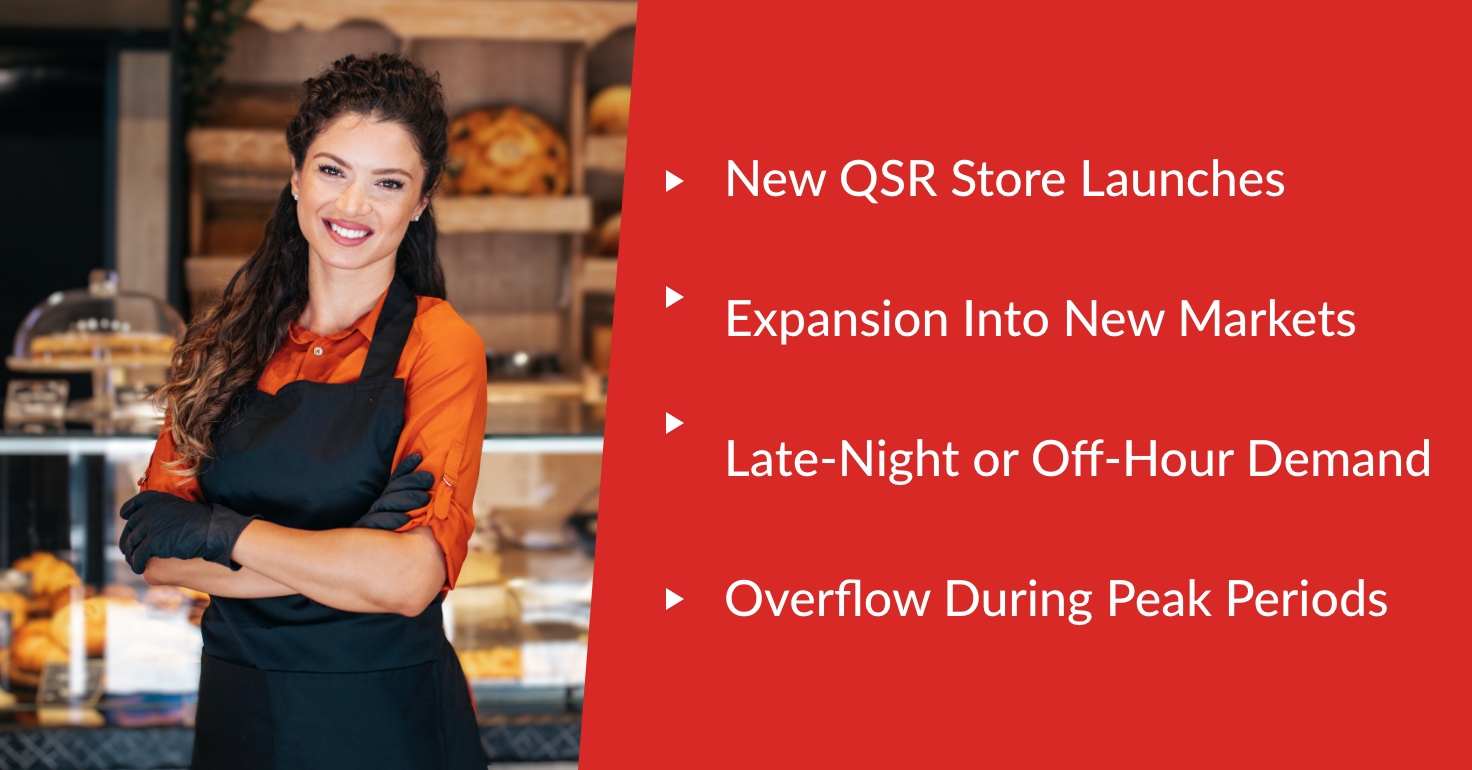
While the goal is to reduce commission fees, there are strategic reasons to keep some third-party presence. It is rarely a good idea to leave these platforms entirely without a plan.
When opening a new QSR restaurant location, you need immediate visibility in the neighborhood. Being at the top of a food delivery app search result can jumpstart your initial sales.
Think of this as a temporary launch expense rather than a permanent cost. Once the local community knows your brand, you can start moving them to your direct site.
If you are expanding your fast food restaurant into a new city, delivery apps help you tap into existing user bases. They provide a ready-made audience that would otherwise take months of marketing to build.
This allows for faster scaling and better operational efficiency during the growth phase of your business. You can then use your data to refine your local strategy as you grow.
During off-peak hours, you might not have enough staff to manage your own delivery service. Third-party apps allow you to stay open and capture sales without increasing your fixed labor costs.
This helps maximize the utility of your kitchen and your existing staff. It turns dead time into profitable time for your business.
When your direct delivery team is at full capacity, third-party drivers act as a helpful safety valve. This prevents long wait times and protects the overall customer experience.
It is always better to pay a commission fee than to lose a customer because of a two-hour wait. Flexibility is the key to modern restaurant management in a busy environment.
Managing a QSR restaurant in today’s digital world requires a careful balance of visibility and cost control. While third-party apps can provide the volume you need, the high restaurant commission fees can prevent your business from being truly successful. By focusing on direct ordering, strategic pricing, and modern restaurant management technology, you can take back control of your revenue.
The key to long-term success is owning your own customer data and providing a seamless experience that keeps guests coming back to you. Reducing commission fees is not just about cutting expenses; it is about building a sustainable business model that rewards your hard work. When you move your customers to your own platform, you build a stronger brand and a more profitable future.
Foodhub for Business provides the essential tools you need to streamline your operations. Our all-in-one ecosystem includes advanced POS systems, branded mobile apps, and delivery management tools designed to put more money back in your pocket.
If you are ready to stop losing your hard-earned margins to high fees, we are here to help. Contact us to book a demo with Foodhub and see how our technology can help your QSR restaurant thrive in a competitive market.